
How Much Do Plumbers Make
How Much Do Plumbers Make: A Real Look at Pay and Your Career Path
Plumbing is one of those jobs everyone relies on. When pipes burst, drains clog, or a water heater stops working, someone has to step in and fix it. That steady demand is why many people want to know "How much do plumbers make?" before choosing this path. Plumbing offers solid earning potential, consistent work, and a clear way to grow your income as your skills improve.
The Work Behind the Wrench
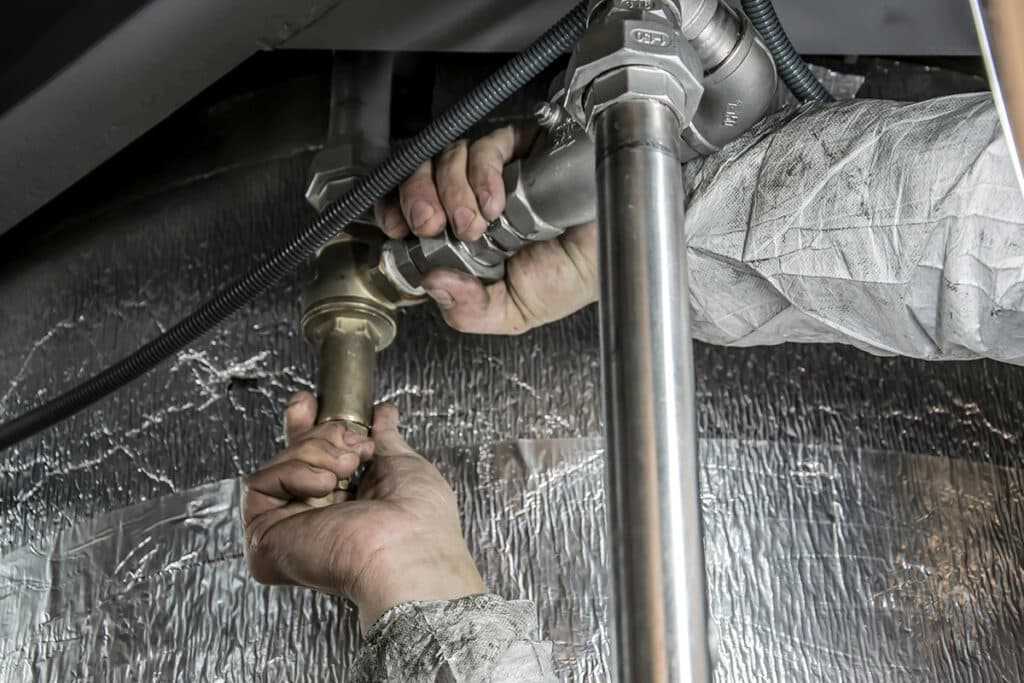
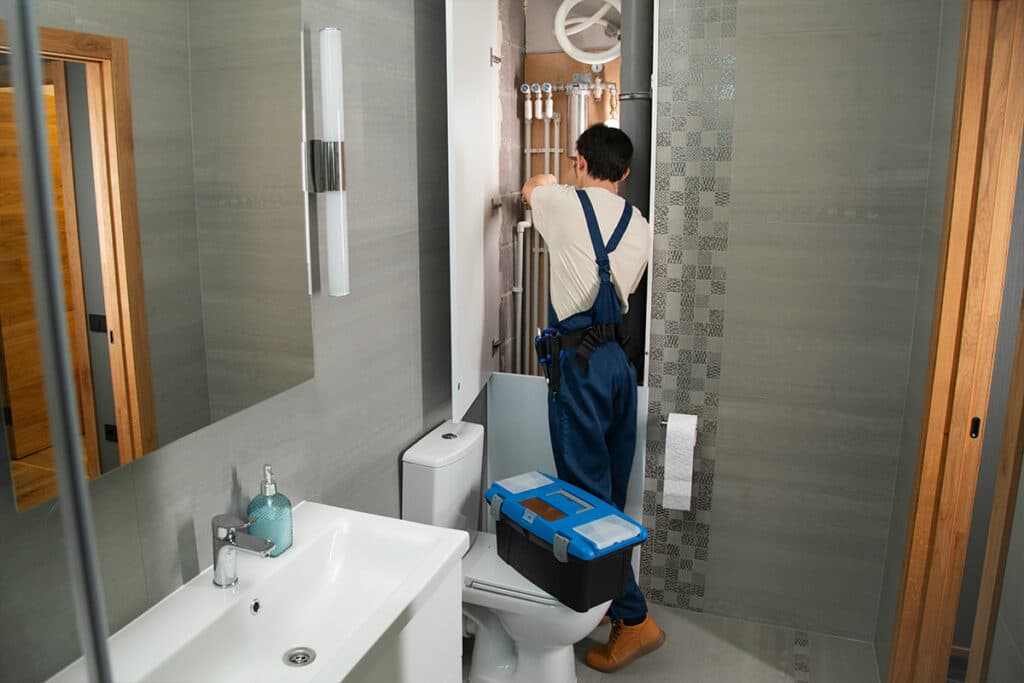
Plumbers install, repair, and maintain the systems that move water, gas, and waste. A typical day can include fixing leaks, clearing clogs, replacing broken pipes, installing water heaters, setting up new fixtures, testing backflow, and inspecting systems to make sure they meet local codes. In commercial work, you may handle larger pipe systems, boilers, or plumbing for new construction.
Essential Tools Every Plumber Needs to Be Familiar With
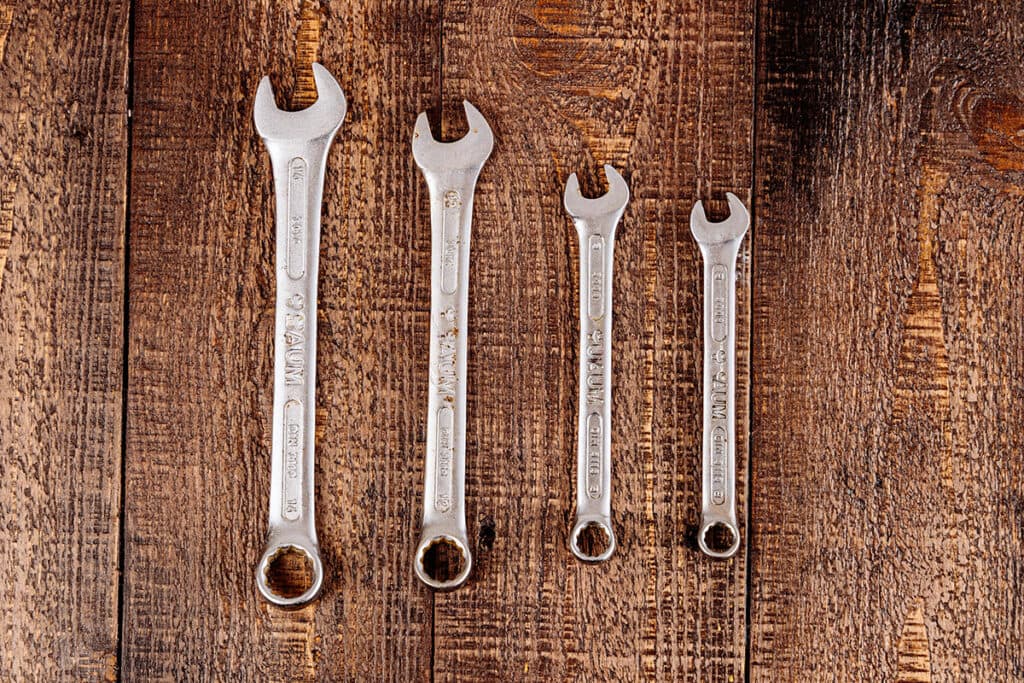
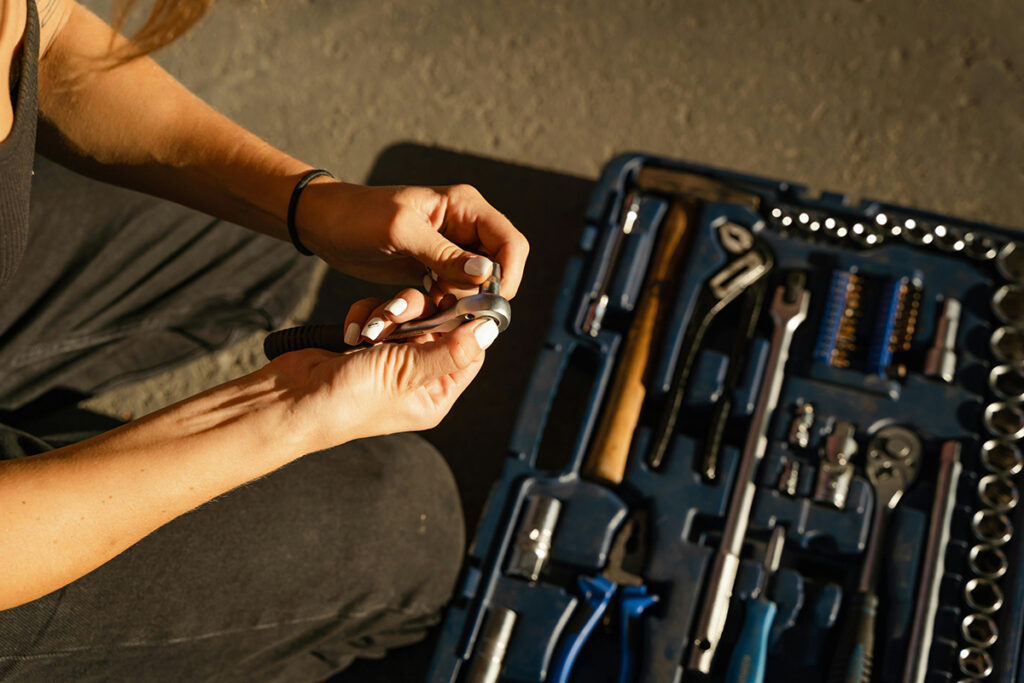
Plumbers use a wide range of tools to complete their tasks efficiently. Here are some of the most common tools every plumber should be familiar with:
- Pipe Wrench - Used for gripping and turning pipes, particularly large ones.
- Plunger - Essential for clearing clogs in sinks, toilets, and drains.
- Pipe Cutters - Help to easily cut pipes to size without causing damage.
- Drain Snake - Used to clear stubborn blockages in drains and sewer lines.
- Augers - Essential for breaking up and removing debris inside pipes.
- Water Pressure Gauge - Used to test and monitor water pressure in plumbing systems.
- Backflow Testing Kit - Used to ensure that water flows in the correct direction in a system and prevents contamination.
- Plumbing Torch - Used for soldering pipes together in copper plumbing.
- Teflon Tape - Helps to seal pipe threads and prevent leaks.
- Plumbing Snake Camera - Used for inspecting pipes and identifying blockages or damage.
- Tubing Bender - Used for bending pipes into the required shape without kinking them.
What Shapes a Plumber's Salary Today
Plumbing stays in demand because every home and business relies on working pipes, clean water, and safe systems. A plumber's salary is shaped by a few key factors:
- Experience - You start with hands-on learning, and your income grows with every year of training. New plumbers earn less early on, but their skills build quickly.
- Type of work - Service calls and repairs keep you busy. Commercial buildings, remodels, and new construction often pay higher rates because the work is larger and more technical.
- Certifications and special skills - Skills in gas lines, backflow prevention, or advanced diagnostics can push your pay higher and get you better job options.
- Work schedule and availability - Plumbers who take evening, weekend, or emergency calls usually earn more because these jobs come with higher rates.
- Company structure or employment type - Working for a larger company may include benefits and steady hours, while running your own plumbing business can bring higher income but more responsibility.
How Much Does a Plumber Make in Different Locations
The average plumber’s salary in the U.S. is about $62,970 per year, which sits around the middle range compared to other trades. Even with that national number, where you work can have a major impact on your income.
Higher-paying regions
States such as California, Massachusetts, and Washington often offer stronger plumber pay. These areas have fast-growing housing markets, constant commercial development, and high demand for skilled plumbers year-round.
Mid-range regions
Places like Texas, North Carolina, and Colorado tend to fall in the middle. You’ll get stable work, regular service calls, and dependable hours, even if the rates don’t reach the levels seen in larger coastal cities.
Lower-paying regions
States such as Arkansas, Mississippi, and South Dakota usually pay less due to smaller populations or fewer commercial projects. Even so, plumbers in these areas often benefit from lower living costs, shorter drive times, and strong seasonal residential demand.
Understanding local demand helps you get a realistic picture of getting the answer to "How much does a plumber make?"
How Much Do Plumbers Make Starting Out?
Your plumbing starting pay depends on whether you begin as a helper or an apprentice. Most apprentices earn modest hourly wages at first, but you gain skills fast, and your income climbs each year. As soon as you can take on repairs and basic diagnostics by yourself, you’ll see noticeable increases in your paycheck.
KickServ can help manage your payments efficiently, letting you collect credit card payments instantly on the job site, speeding up your cash flow and reducing the need for follow-ups.
How Much Do Plumbers Make Per Hour?
Most plumbers earn hourly wages. Rates rise with experience, complexity of work, and your local market. Overtime and emergency calls can boost your income quickly, especially during winters when pipes freeze or during busy construction seasons.
Running your own service truck or specializing in commercial plumbing usually brings higher hourly rates and more consistent income.
Career Path and Income Growth for Plumbers
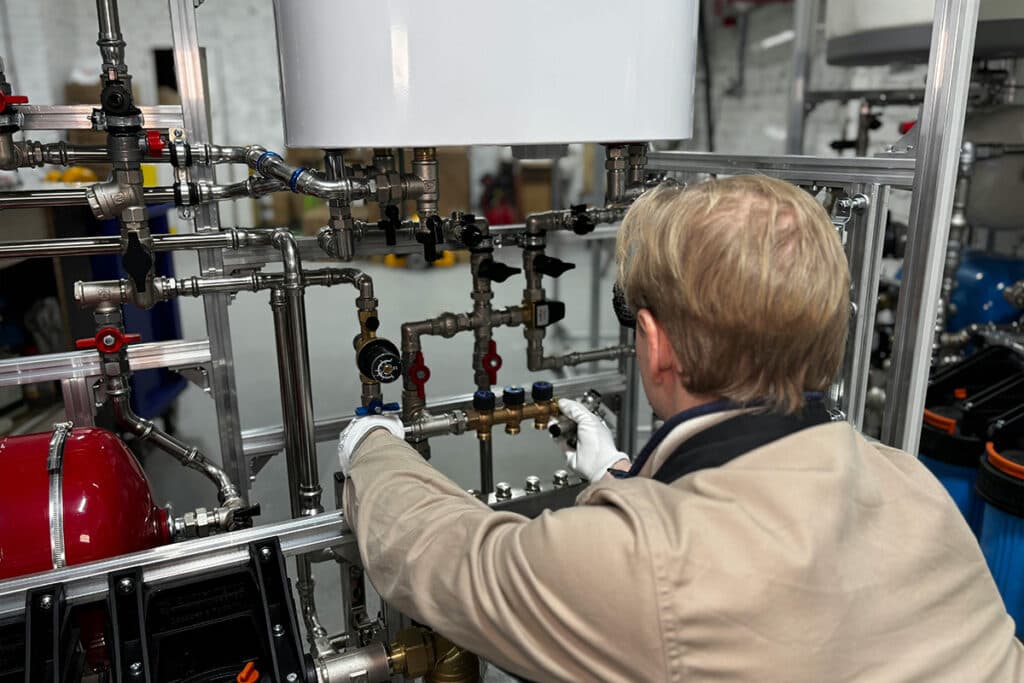
Your earning potential expands as your skills grow. A typical path looks like this:
- Plumbing helper – Learning the basics
- Apprentice – Hands-on training while earning steady pay
- Licensed plumber – Managing service calls on your own
- Journeyman – Handling advanced repairs and larger jobs
- Master plumber – Leading projects and supervising teams
- Business owner – Setting your own rates and building a customer base
At each stage, how much plumbers can earn increases because they take on more responsibility and more complex work.
Growing Your Plumbing Income Over Time
You can raise your income by:
- Adding certifications like backflow testing or gas line installation
- Taking on commercial or industrial projects
- Learning advanced diagnostics and repair techniques
- Building long-term customer relationships
- Expanding into remodeling or new construction work
- Starting your own service business when you’re ready
These steps create more opportunities and help you move into higher-paying roles. Learning how to market a plumbing business to attract more clients and raise your profile in your area.
Frequently Asked Questions
Do plumbers get paid more for emergency calls?
Yes. Emergency work typically pays higher rates because customers need immediate service.
Is plumbing physically demanding?
It can be. Jobs may include lifting, crawling, climbing, or working in tight spaces.
How long does it take to become a licensed plumber?
Most people reach licensure in 4 to 5 years through an apprenticeship.
Do plumbers need to know how to read blueprints?
Yes. Reading blueprints is part of understanding system layouts and planning installations.
Can plumbers specialize in certain types of plumbing?
Many do. Specialties include hydronics, gas lines, commercial plumbing, pipefitting, and service diagnostics.
A Simple Way to Manage Your Plumbing Work
As you advance in your plumbing career, your earnings will grow with experience, additional skills, and specialization. Taking on higher-paying projects and building strong relationships with clients can help increase your income.
With consistent work and a focus on developing your expertise, plumbing offers a stable and rewarding career with great earning potential. How much can plumbers earn? With the increasing demand for skilled professionals, plumbers' earning potential continues to grow, creating more opportunities for financial success.
Try KickServ for free and make running your plumbing work easier from day one.
Never miss a post.
Get notified of new content