
How to Become an Electrician
Your Step-by-Step Path on How to Become an Electrician
Choosing a trade can feel overwhelming at first, especially with so many paths to consider. Many people look into electrical work because it offers steady jobs, solid pay, and the kind of skills that stay useful for a lifetime. Learning how to become an electrician gives you a clear path forward, and this guide walks you through each process, so you know what to expect as you build your career.
What Does an Electrician Do Each Day
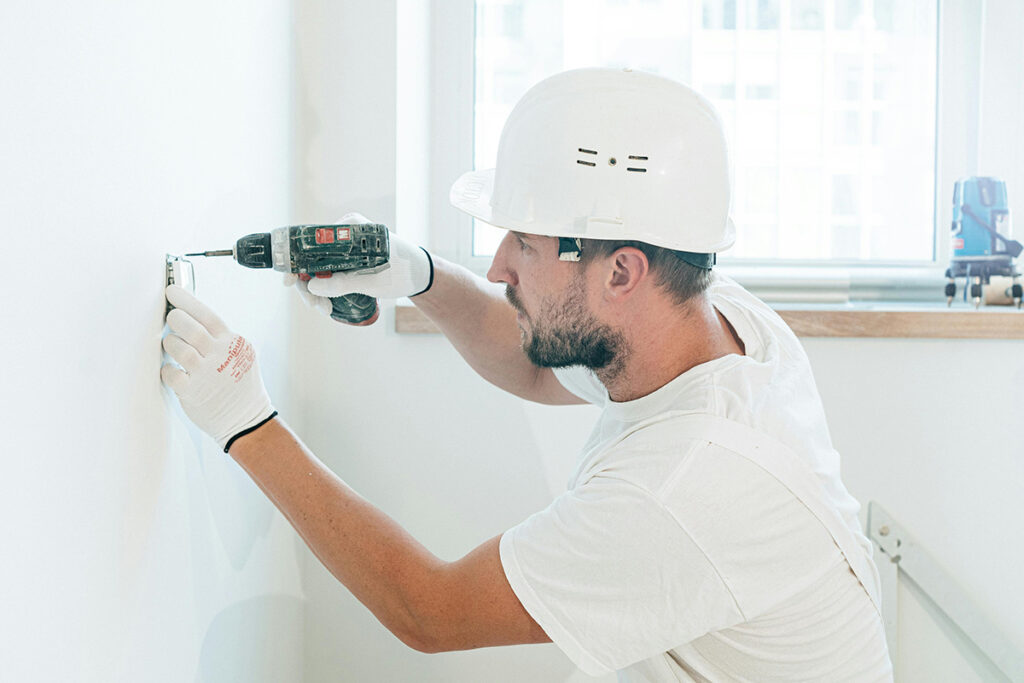
Before starting your path, it helps to be aware of an electrician's description of duties first. Electricians install, maintain, and repair electrical systems in homes, businesses, and industrial spaces. Your work may involve reading basic diagrams, wiring panels, setting up outlets and lights, running cables, and making sure everything is safe and up to code. Over time, you may take on more advanced tasks like troubleshooting, upgrading systems, or supporting large construction projects.
These duties change depending on your role, but day-to-day work always focuses on helping people keep their buildings safe and running smoothly.
How to Become an Electrician: The Steps You Will Take
There is a clear path you can follow as you work toward becoming an electrician. The process is steady, structured, and approachable.
Finish high school or earn a GED
This is your starting point. Most programs require it before you begin any electrician training.
Enroll in an electrical training program
Trade schools and community colleges offer classes that teach you wiring basics, electrical safety, tools, math, and hands-on practice. This is where you begin building the foundation for your career. During this stage, you may hear questions like electrician training how long, and most programs run for several months.
Apply for an apprenticeship
An apprenticeship gives you paid on-the-job training while you learn from experienced electricians. This is where you gain real experience that prepares you for your long-term career. Many people ask how long to become an electrician, and the answer often depends on your apprenticeship. Most last four to five years.
Earn your electrician certification
Once you complete your training and apprenticeship, you can take your certification exam. This step allows you to work independently, take on more responsibility, and move toward advanced credentials like a master electrician license. Certification also opens the door to future specializations and higher paying roles.
Gain experience and grow into advanced roles
As you stay in the trade, you learn more about different systems, tools, and job types. You may choose to work in residential or commercial settings, or move into industrial work, which often pays more. Each year brings new opportunities to grow your skills and income.
How Long Does It Take to Become a Certified Electrician
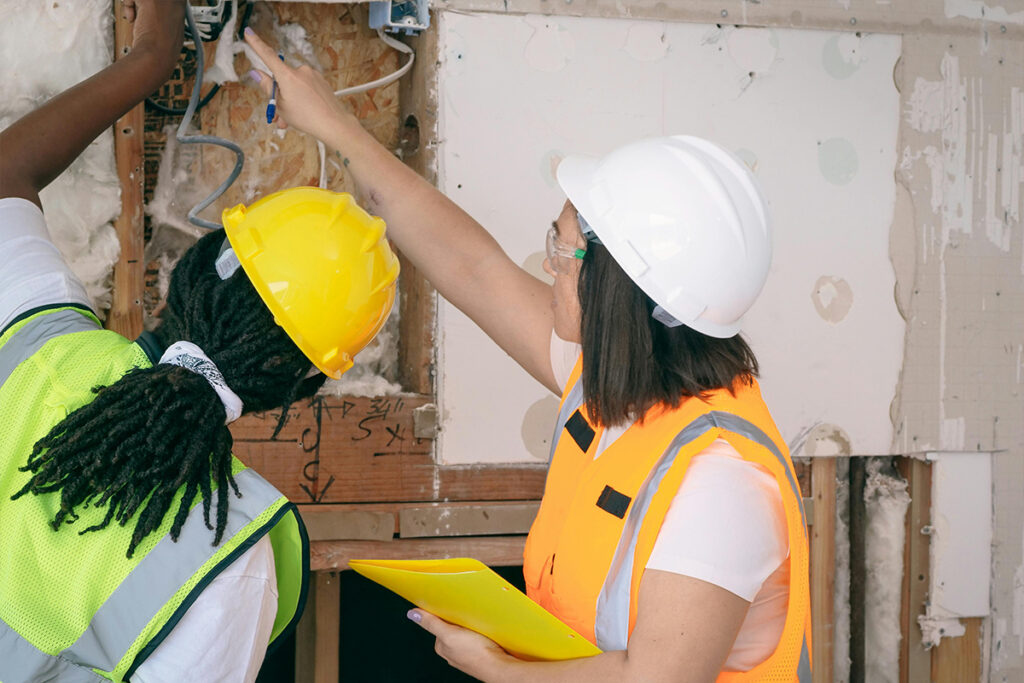
It typically takes four to five years to complete your training and apprenticeship. Classroom learning goes quickly, but the hands-on part of the job takes time. Many people choose this path because they can earn money while learning. You do not need to finish school before working. Your learning and working happen together, which helps you build experience early.
If you want to move faster, look for programs that combine classroom hours with early job placement. Asking schools directly about how long an electrician training is going to be can give you a more exact timeline.
Daily Skills That Help You Succeed
Your technical skills matter, but so do your habits. Electricians who succeed long-term tend to:
- Stay organized and keep job details clear
- Communicate well with customers
- Take notes and track job history
- Keep tools maintained
- Keep learning as technology changes
These small habits help you stay steady in your work and build trust with clients.
Growing Your Career After Becoming an Electrician
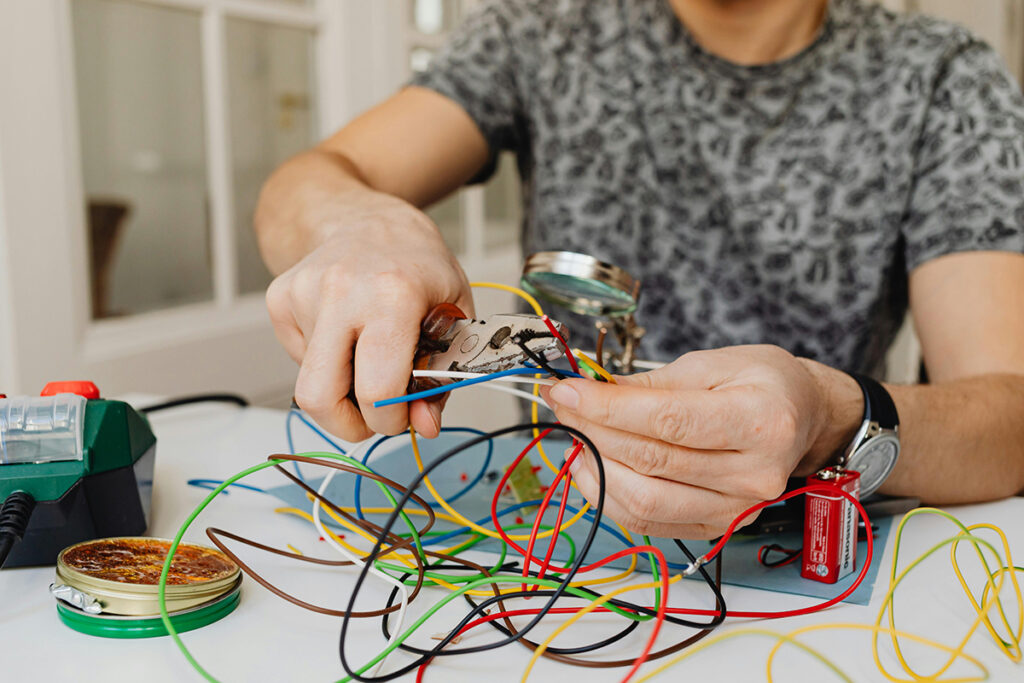
Once you are certified, you have options. You can stay in a home service business, shift to commercial buildings, join a construction crew, or move into industrial systems. An electrician certification also gives you the freedom to take on more specialized tasks later.
Many electricians grow their careers by:
- Learning advanced wiring techniques
- Training in energy-efficient systems
- Supporting large remodels or construction sites
- Taking on service calls and building long-term client relationships
- Moving into supervisory roles
Over time, you will find the type of work that fits you best.
Starting Your Own Electrical Business
As your skills grow, you might decide it is time to work for yourself. Many electricians take this step because it lets them choose their jobs, set their schedule, and build something of their own. The work becomes less about following someone else’s list and more about building relationships, earning trust, and keeping your customers coming back.
Running a business adds new responsibilities. You will set your rates, manage permits, schedule service calls, track expenses, and handle the simple day-to-day tasks that keep the work moving. It takes focus, but most electricians find a rhythm once they create a system that fits their routine.
KickServ can help you handle those tasks by keeping your jobs, estimates, schedules, and payments in one software.

How KickServ Helps You Build a Steady Electrical Career
As you take on more jobs and build your customer base, the right tools make a difference. KickServ helps electricians manage their daily work without juggling paperwork or spreadsheets.
With our field service management software, you can:
- Manage customers before, during, and after each job
- Send estimates quickly and close more work
- Schedule service calls without confusion
- Track job notes, photos, expenses, and updates
- Work smoothly in the field with the mobile app
- Invoice faster and collect payments online
- Connect to tools you already use, like QuickBooks and Stripe
These tools help you stay organized so you can focus on doing good work.
Frequently Asked Questions
Do I need a business license to start my own electrical company?
Yes. Most states require both an electrical license and a separate business license before you can operate legally.
Can new electricians specialize early in their careers?
You can. Some choose to focus on residential work, while others train in solar, low voltage, or commercial maintenance once they gain basic experience.
Is insurance required for electricians?
Most electricians carry liability insurance to protect themselves and their customers. Some states require it before issuing permits.
Do electricians need their own tools when starting out?
In most cases, yes. Many apprentices begin with basic hand tools and add more equipment as they move into advanced tasks.
Are there continuing education requirements?
Many states require ongoing classes to keep your license active. These courses help you stay updated on safety codes and new technology.
Your Path Forward in the Electrical Trade
Knowing how to become an electrician sets you up with a stable career that keeps giving you new opportunities as you gain experience. You learn through hands-on training, earn while you build experience, and grow into higher-paying roles as your skills expand. Along the way, tools like KickServ help you stay organized, manage your calls, and serve customers with ease.
Try KickServ for free today and take the stress out of managing your electrical job.
Never miss a post.
Get notified of new content